Home / News & Promo / Cross-Selling and Upselling: Effective Strategies to Boost Sales
Cross Selling vs Up Selling: Strategi Jitu Tingkatkan Penjualan

Cross-Selling and Upselling: Effective Strategies to Boost Sales

Learn about cross-selling, how they differ from up-selling & discover methods to ensure that offers for complementary products relevant with your customers.

Cross Selling: A Strategy for Offering Complementary Products, with Examples

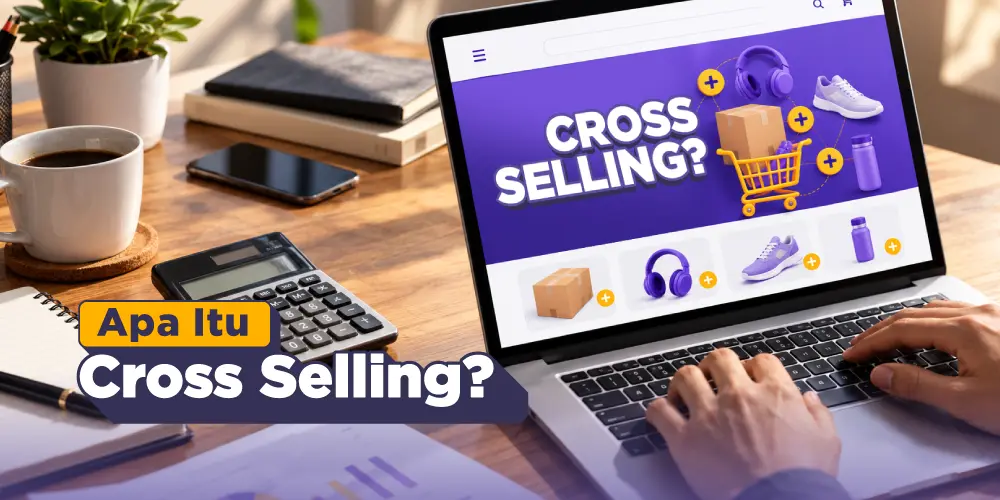
When customers buy ground coffee from your store, they may also need paper filters to brew it. Offering a complementary product like this can help them get more of what they need in a single purchase. In business, this approach is known as cross selling. It can be used in physical stores, marketplaces, websites, and sales conversations over chat. The key is understanding the connection between the product being purchased and the customer’s needs. So how can you make an offer that feels helpful? Let’s look at the definition, examples, and steps below.

What Is Cross Selling?

Cross selling is a sales strategy that offers an additional product or service to complement the customer’s main choice. The additional product serves a relevant purpose, giving the customer a clear reason to buy it. For example, a customer buying shoes may also be offered socks. They still buy the shoes they chose, while the socks are an addition they can use with them. For sellers, cross selling creates an opportunity to increase transaction value. However, an offer may not generate more profit if the bundle price, packaging costs, and operating costs are not taken into account. That is why product relevance and margins should be evaluated together.


The Difference Between Up Selling and Cross Selling

Up selling and cross selling can both help grow sales, but they involve different kinds of offers.

• Up selling encourages customers to choose a higher-tier version of a product, such as switching from a 250-gram bag of coffee to a 500-gram bag.

• Cross selling offers a complementary product, such as adding paper filters when a customer buys a 250-gram bag of coffee.

An easy way to tell them apart is to see whether the customer replaces their main choice or adds another product. If you use both approaches at once, make sure the total price is clear and customers remain free to decide.


Cross Selling Examples for Online Businesses

1. Ground Coffee and Paper Filters

When selling coffee, you can offer paper filters that fit the customer’s brewing equipment. First ask how they brew their coffee so your recommendation is genuinely useful.

2. Clothing and Accessories

Clothing sellers can recommend a belt or accessory that goes with the customer’s chosen item. Show an example of how to wear them together so customers can picture the result more easily.

3. Frozen Food and Dipping Sauce

If you sell frozen dimsum, a dipping sauce can be an additional option. Explain its size, ingredients, and price. Also make sure the storage and packaging requirements suit each product.

4. Hampers and Personalized Greeting Cards

Customers ordering gift hampers can be offered a personalized greeting card, with its cost stated upfront. This cross selling example reflects the purpose of the purchase: sending a gift that feels more personal.


How to Apply Cross Selling in Your Store

1. Start with Products Often Bought Together

Review order history to find product pairs customers have actually chosen. If you do not have much data yet, try one pair first and record buyers’ responses. Avoid offering unrelated items simply because you have excess stock.

2. Offer a Small Number of Clear Choices

Start with just one or two complementary products. Too many options can make it harder for customers to decide. Include a brief explanation of why each product fits their order.

3. State the Additional Price Clearly

For example, you could write, “Would you like to add a dipping sauce for Rp10,000 per bottle?” The price is only an illustration, but the message clearly shows the additional cost. Do not add products to an order without the customer’s consent.

4. Choose the Right Time to Make the Offer

You can show a recommendation on the product page or offer it through chat before payment. If the order has already been paid for and processed, avoid delaying shipment just to suggest an addition.

5. Evaluate Transaction Value and Profit

Compare average order value, the number of buyers who choose the additional product, and margins after related costs. Also check whether the offer generates extra questions or slows checkout. Use the results to improve your product pairings and messaging.


Support Your Offer with Suitable Shipping

An additional product can change a package’s weight, size, or packaging requirements. Before offering a bundle, make sure all items can be packed safely and that shipping costs have been considered.

To ship customer orders, you can create a shipment in the Paxel app and use pickup so the package is collected from your location. Choose Sameday or Nextday based on your needs, then check the available coverage and estimates for your route.

Start with one relevant product recommendation, then support the customer’s shopping experience with a practical shipping process.

Related Article:
Hard Selling vs Soft Selling: Mana yang Efektif di Era Marketing 7.0?
Hard Selling vs. Soft Selling: Which Is Effective in the Era of Marketing 7.0?
Soft Selling: A Gentle Approach to Sales, with Methods and Examples Have you ever become interested in buying a product after watching a tips video or hearing the story behind how it was made? You may have started out looking for information, then realized the product suited your needs. This approach is often used in soft selling. Sellers provide useful information and introduce products gradually, giving potential buyers time to understand their benefits. If you want your sales content to feel more relatable to your audience, here is an explanation of soft selling and some examples you can try. Read More: 5 Instagram Content Ideas for Businesses and Creators! What Is Soft Selling? Soft selling is a sales approach that prioritizes relationships, understanding customer needs, and communicating product benefits without putting excessive pressure on people to buy immediately. It can take the form of educational content, personal stories, product demonstrations, or conversations that help customers decide. The product is still introduced, but the discussion connects it to situations relevant to the audience. For example, a frozen food seller might make a video about preparing a packed meal when cooking time is limited. The product appears as one of the ingredients, along with an explanation of how to prepare and store it. The Difference Between Soft Selling and Hard Selling Hard selling is a sales approach that presents an offer and asks people to buy directly. The message usually emphasizes price, a promotional period, or product availability. The difference between soft selling and hard selling can be seen in these examples: • Soft selling: “Are your mornings often rushed? Try preparing your packed meal ingredients the night before to make things easier. Here is a meal you could make.” • Hard selling: “Order a packed meal set today and get a discount under the promotion’s terms.” Both can be used depending on your communication goal. Soft selling can work when the audience is still looking for information, while a direct offer can help people who are ready to buy. Whichever approach you use, information about prices, stock, and deadlines must reflect the actual conditions. Soft Selling Examples Sellers Can Try 1. Tips Content That Answers Customer Problems If you sell work bags, create content about organizing belongings so they are easy to find. Show how a bag’s compartments work when relevant, then give the audience the option to view the product details. For example: “Do you often struggle to find your access card in your bag? Try keeping small items in an easy-to-reach pocket.” 2. Stories Behind the Production Process For a cake business, you can share how you choose ingredients, pack orders, or prepare for daily production. Specific stories help the audience understand how your store works. Avoid claims such as “the healthiest” or “number one” if you cannot substantiate them. 3. Product Tutorials Clothing sellers can show how to style one shirt for several activities. This content demonstrates how the product can be used while giving readers ideas they can try. 4. Customer Experiences Shared with Permission Customer reviews can help potential buyers understand how a product is used in everyday life. Ask permission before reposting photos or conversations, and hide personal information that does not need to be shown. Read More: How to Promote Products Effectively in the Digital Age How to Create Focused Soft Selling Content 1. Identify One Audience Need Choose a specific problem, such as preparing snacks for a meeting or finding a gift that is easy to ship. One clear need makes it easier to select the examples and product benefits to discuss. 2. Provide Information People Can Use Right Away Share practical steps, comparisons of how a product can be used, or care tips. Make sure readers still gain something useful even if they have not bought your product. 3. Connect the Product Naturally After discussing the need, explain how your product can help. Mention its limitations when relevant, such as a bag’s capacity, clothing sizes, or food storage requirements. 4. End with a Clear Call to Action Soft selling can still include a CTA, such as “Check the available sizes in our catalog” or “Chat with us to ask which variants are available.” A simple invitation helps the audience know what to do next. 5. Measure Responses Based on Your Goal If the content aims to educate, look at saves, shares, and questions received. If it aims to drive purchases, check catalog clicks, relevant conversations, and orders. Do not judge success by likes alone. Maintain the Customer Experience After Purchase Helpful communication should be followed by clear service. Share stock information, processing times, and shipping options before customers complete their transactions. Read More: 5 Business Tips for Treating Your Customers Well When an order is ready to ship, use the Paxel app to choose a shipping service that suits your needs. With pickup, you can prepare orders at your location while waiting for the courier to collect the package. Check the service area and delivery estimate for your customer’s destination in the app.
22 Oct 2026
9 Rekomendasi Jajanan Orang Have Buat Self-Reward
9 Snack Recommendations for Treating Yourself
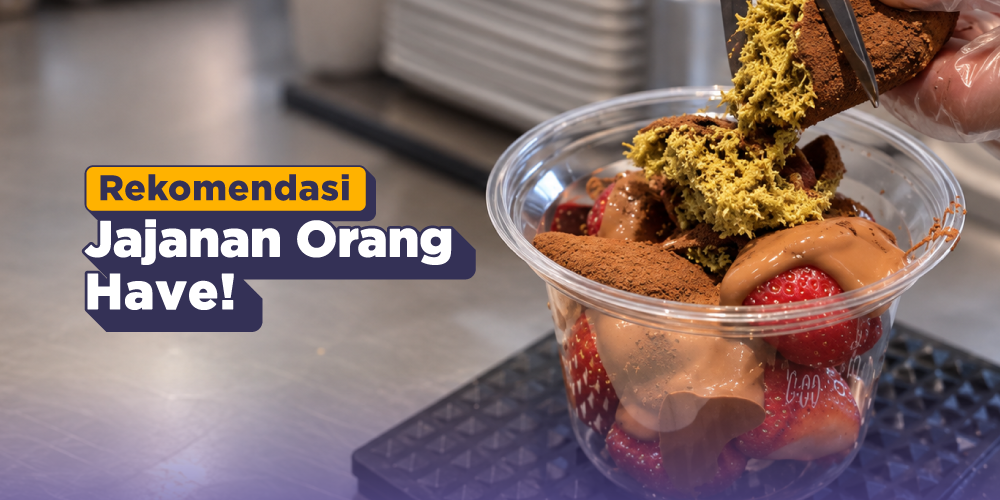
There are many ways to reward yourself for getting through life and working hard. Recently, trying “rich-people treats” has become a self-reward trend. Even though they cost hundreds of thousands or even millions of rupiah, you should try these recommendations at least once in your life. 1. Matcha Drinks from Hatoya Indonesia Love authentic matcha? Try a glass of matcha at Hatoya in Lippo Mall Puri. They use top-quality matcha powder sourced directly from Japanese plantations. That’s why a drink comes with a rather impressive price tag of Rp360,000. The drink is made with chewy mochi and a scoop of smooth matcha ice cream. It has an earthy, rich, and more balanced flavor because it isn’t overwhelmed by the sweetness of added sugar. 2. Salmon Roll from Filadelfia Sushi Filadelfia Sushi first opened in Bali before winning over food lovers in the capital. It became famous for its generously sized sushi, which highlights the freshness of the fish. If you’re eating here, try the Philly Salmon Roll. It features thick slices of salmon filled with creamy, melting cream cheese. Exclusively packaged in an aesthetic wooden box, this trendy dish ranges from Rp249,000 to around Rp2.1 million for a party set. 3. Chocolate Bar from Läderach Chocolatier This renowned Swiss chocolatier offers frisch schoggi, or fresh chocolate slabs that are cut by hand to order. There are plenty of varieties to choose from, including chocolate with crunchy roasted nuts, dried fruit, and Dubai-style kunafa. Here, you can enjoy chocolate priced from Rp340,000 to around Rp3 million. The Läderach store in Senayan City also serves a cup of Hot Chocolate for Rp150,000. Read More: What Sells Well Right Now? 7 Popular Products in Indonesia 4. Strawberry Dubai Cup from Don Bakeshop Don Bakeshop’s Rp109,000 Strawberry Dubai Cup is a favorite among people who enjoy luxurious treats. It’s made with fresh Hyoshii strawberries picked directly from farms in Bandung. The fresh fruit, covered in melted Callebaut chocolate and topped with kunafa chewy cookie, might leave you wanting more. Besides this bestselling strawberry treat, you can buy an individual Dubai Chewy Cookie for Rp65,000 at Lippo Mall Puri or Summarecon Mall Serpong. 5. Coffee from Around the World at Bacha Coffee Have you really experienced the luxurious life if you haven’t enjoyed a cup of coffee at Bacha Coffee? This upscale café, located in Plaza Senayan and Plaza Indonesia, has a collection of hundreds of pure Arabica coffee varieties from around the world. Each cup is served in a gold-colored pot with smooth chantilly cream and a selection of buttery croissants. Menu prices start at Rp90,000 and reach around Rp1.9 million for rare coffee beans. 6. Italian Bread from Bread Culture Bread Culture turns traditional Italian flatbread into a premium treat at Ashta District 8 and Permata Buana. Its 24x24 cm Focaccia, priced at Rp175,000, often sells out through pre-orders. This soft, airy bread with a crisp crust is baked with plenty of olive oil, fragrant rosemary, cherry tomatoes, and black olives for a savory, aromatic flavor. Read More: Kerak Telor, an Authentic Jakarta Snack Full of Flavor 7. Sourdough Bread from Daring Deli Located in Dharmawangsa, Daring Deli serves artisanal deli dishes made with naturally leavened sourdough bread. You can enjoy crisp, crunchy bread with a range of meat fillings that won’t leave you feeling overly full. The sandwiches cost around Rp100,000 per serving. They make a luxurious lunch option that’s gentler on your digestive system. 8. Breads and Pastries from Pand’Or Pand’Or is a legendary culinary destination in South Jakarta. The restaurant serves flaky croissants, sourdough bread, and buttery pastries that keep people coming back. You can buy bread for prices ranging from Rp24,000 to around Rp500,000. The place remains a favorite breakfast spot among the elite. Since it opens at 7 a.m., Pand’Or is a fitting place to have breakfast with people who enjoy the finer things in life. 9. Gelato from Venchi Gelato is a trendy treat in Jakarta. One of the best places to try it is Venchi, which was established in Turin, Italy, in 1878. Venchi serves smooth gelato with a natural sweetness that isn’t overpowering. Every serving is made without preservatives and features Piedmont hazelnuts and pure cocoa. Want to try it? Set aside around Rp100,000 to Rp1.1 million if you want to take home some chocolate. People in Jakarta aren’t the only ones who can enjoy these luxurious treats! You can also send them to family living in other cities with Paxel’s safe and fast delivery. Check the shipping cost directly in the app before sending these treats to your family’s home. Send your treats with Paxel! Read More: Starting an Angkringan Business: Concept, Menu, and Cost Calculation
24 Sep 2026
Shipping Artinya, Fungsinya, Jenis-jenisnya, dan Prosesnya
Shipping: Definition, Functions, Types, and Process
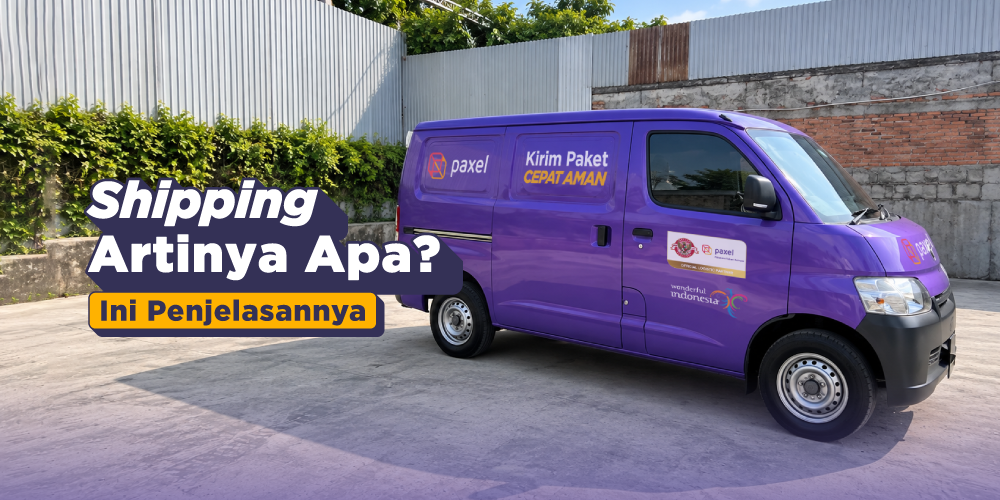
Shipping is an activity that connects businesses with customers, sellers with consumers, and senders with recipients. Although the word “ship” can mean a vessel, shipping doesn’t have to involve one. Let’s take a closer look! What Is Shipping? Shipping is the process of sending goods from one location to another. Depending on the distance between the sender and recipient, goods can be transported by land, sea, or air. When you buy something from a marketplace or ecommerce platform, the seller sends the item to you after you check out. This process is called shipping. In English, “ship” can mean a vessel. The transportation of goods, especially by sea, came to be known as “shipping.” However, as the logistics industry has modernized, the term’s meaning has broadened. Collins Dictionary gives one definition of shipping as “the process or act of sending goods to a customer.” In other words, shipping means sending goods to a buyer. Today, the term applies regardless of the mode of transport, whether or not a vessel is involved. Read More: What Is Logistics? Definition, How It Works, and Future Opportunities What Are the Functions of Shipping? Shipping connects sellers and buyers. It therefore plays an important role in the supply chain. Here are some of its functions in logistics: 1. Fast and secure delivery helps improve and maintain customer satisfaction. 2. Effective shipping can reduce costs and transit times, which in turn affects business operations. 3. Shipping enables a local business to sell its products nationally or globally. 4. Effective delivery helps ensure that businesses maintain a supply of stock. 5. A good shipping system usually provides tracking so everyone involved can see where the goods are. Read More: Nearby Package Delivery: An Easy Solution for Your Shipments What Are the Types of Shipping? In the logistics and e-commerce industries, shipping methods differ based on speed, transportation, geographic reach, and pricing: 1. Ground Shipping Ground shipping uses trucks, delivery vans, or trains. It is the most common and economical option for domestic deliveries between cities or regions connected by land routes. Although it takes longer than air shipping, ground shipping offers affordable rates and enough capacity for regular packages or large items. 2. Same-Day Shipping This service guarantees that a package will reach the buyer on the same day the order is placed, provided the transaction is completed before a specified cut-off time. Paxel’s Sameday Delivery service meets the need for fast shipping and ensures packages reach customers safely on the same day. 3. International Shipping Cross-border shipping usually involves air or sea cargo. It requires special documentation, customs clearance, and compliance with customs regulations and import taxes in the destination country. This option allows local businesses to expand into global markets. 4. Freight Shipping You can use freight shipping for heavy goods that cannot be sent through a standard retail courier service. Freight shipping is generally calculated by pallet or container and uses container trucks, cargo ships, or cargo aircraft. 5. Overnight / Next-Day Shipping Next-day shipping is an express service that guarantees goods will arrive at their destination on the following business day. You can use Paxel’s Nextday Delivery service to ensure your package arrives the day after it is sent. 6. Local Delivery Deliveries within a city or a specific local area are usually managed directly by the store using its own couriers or online motorcycle taxi services. This makes local package delivery very fast and is ideal for local stores. How Does the Shipping Process Work? For goods to travel safely and on time from a seller’s warehouse to a buyer’s address, they must go through a series of operational steps: 1. Order Processing: The store’s system receives a checkout notification and confirms payment before forwarding the order to the operations team or warehouse. 2. Packaging: Staff collect the item from storage according to the order details, check its quality, and pack it with adequate protection (a cardboard box, bubble wrap, or a security seal). 3. Documentation: A shipping label is printed and attached to the package. The label contains the destination address, contact details, barcode, and tracking number for identification. 4. Carrier Handoff: The package is handed over to the courier, either through a pick-up at the seller’s location or a drop-off at the nearest shipping outlet. 5. Transit: The package moves through a hub or sorting center toward the destination city. At this stage, the seller and buyer can use the tracking number to check its shipping status regularly. 6. Delivery: A local courier takes the package to the recipient’s address or a designated collection point. Once the package is received and receipt is confirmed, the shipping process is complete. When each stage of the shipping process runs effectively, it helps optimize costs, travel time, and the customer’s shopping experience. That’s why choosing a shipping provider matters. Choose Paxel for safe, fast shipping and the convenience of checking shipping rates and tracking packages in one app. Read More: 5 Benefits of Using Paxel’s Courier Service
24 Sep 2026
Paxel Open