Home / News & Promo / E-Commerce vs Marketplace: Where Should You Sell Your Products?
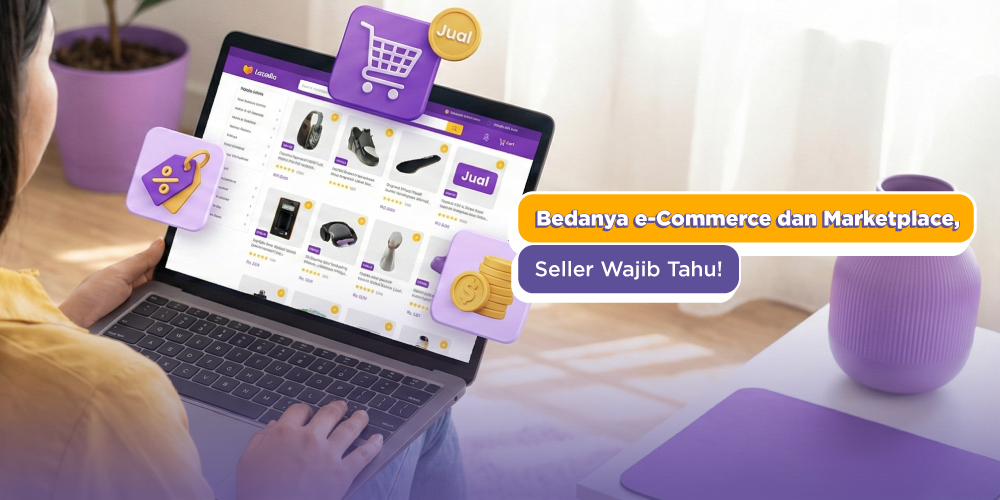
Perbedaan e-Commerce dan Marketplace, Produkmu Dijual di Mana?

E-Commerce vs Marketplace: Where Should You Sell Your Products?

To avoid making the wrong move when choosing a home for your products, you need to understand about e-commerce and marketplaces before you start selling.

Sekilas, e-commerce dan marketplace terdengar mirip. Padahal, kalau dibedah lebih dalam, keduanya punya konsep, cara kerja, dan tujuan strategis yang jauh berbeda. Salah kaprah bisa bikin strategi bisnismu jadi nggak maksimal, lho.

Ibarat mau jualan baju distro tapi malah gelar lapak di pasar sayur, tentu hasilnya nggak akan sesuai harapan. Biar kamu nggak salah langkah dalam menentukan rumah buat produkmu, kamu wajib memahami apa saja perbedaan e-commerce dan marketplace sebelum mulai berjualan.

1. Konsep Dasar dan Kepemilikan Platform

Hal pertama yang harus kamu pahami adalah konsep dasarnya. Bayangkan marketplace itu seperti sebuah Mall besar atau pasar kaget digital. Di sana, ada pengelola gedung yang menyewakan lapak kepada ribuan pedagang. Kamu sebagai penjual cuma "numpang" buka toko di sana. Semua fasilitas, keramaian pengunjung, dan aturan main sudah disediakan oleh pengelola mall tersebut.

Sementara itu, e-commerce dalam artian website brand sendiri itu ibarat kamu membangun butik atau showroom pribadi di pinggir jalan raya. Tanahnya milikmu (atau sewa hosting), bangunannya kamu desain sendiri, dan kamu punya kuasa penuh atas apa yang terjadi di dalamnya. Secara teknis, e-commerce adalah segala aktivitas jual beli via elektronik, tapi dalam konteks bisnis, istilah ini lebih condong ke website penjualan resmi milik sebuah brand.

Jadi, bedanya jelas: di marketplace kamu adalah penyewa di tengah keramaian, sedangkan di website e-commerce kamu adalah pemilik tunggal properti digital tersebut.

2. Tingkat Persaingan dan Biaya Operasional

Kalau bicara soal biaya dan persaingan, ini ibarat dua sisi mata uang. Masuk ke marketplace itu biasanya gratis dan sangat mudah. Kamu tinggal daftar, upload foto, dan jualan. Tapi, kemudahan ini punya harga mahal berupa persaingan yang "berdarah-darah".

Di marketplace, toko kamu bakal bersanding langsung dengan kompetitor yang menjual barang serupa, bahkan mungkin dengan harga yang jauh lebih miring. Perang harga jadi hal yang lumrah dan sulit dihindari karena pembeli bisa membandingkan harga cuma dengan satu kali klik.

Sebaliknya, membangun website e-commerce butuh modal awal yang lumayan buat beli domain, sewa server, dan maintenance. Tapi, di rumahmu sendiri ini, kamu nggak punya saingan. Pengunjung yang datang ke websitemu ya cuma lihat produkmu. Kamu bisa menetapkan harga premium tanpa takut dibanding-bandingkan secara langsung di halaman yang sama.

3. Akses Data dan Loyalitas Pelanggan

Siapa yang memegang data pelanggan, dialah yang memegang kendali bisnis jangka panjang. Di marketplace, data pembeli itu sejatinya milik si penyedia platform. Kamu mungkin tahu nama dan alamat buat kirim barang, tapi kamu susah buat melakukan analisis mendalam atau retargeting iklan secara spesifik karena akses datanya dibatasi. Kamu harus mengikuti algoritma mereka kalau mau produkmu muncul di halaman depan.

Di website e-commerce milikmu sendiri, kamu adalah raja datanya. Kamu bisa tahu perilaku pengunjung, produk apa yang sering dilihat tapi nggak dibeli, sampai jam berapa mereka biasanya belanja. Data ini mahal banget harganya buat menyusun strategi marketing. Kamu bisa kirim email marketing, kasih promo khusus ulang tahun, dan membangun hubungan personal yang bikin pelanggan loyal.

4. Kebebasan Branding dan Personalisasi

Pernah merasa bosan dengan tampilan toko di marketplace yang gitu-gitu aja? Ya wajar, karena kamu harus ikut template yang sudah disediakan. Kamu nggak bisa seenaknya ganti warna background atau tata letak tombol beli. Identitas brand kamu jadi agak samar karena tertutup oleh identitas besar si marketplace itu sendiri.

Lain cerita kalau kamu punya website sendiri. Kamu bebas berekspresi. Mau bikin tampilan web yang minimalis, funky, atau mewah, semua terserah kamu. Kamu bisa menciptakan pengalaman belanja (user experience) yang benar-benar mencerminkan karakter brand-mu. Personalisasi ini yang bikin pelanggan ingat pada produk yang kamu jual.

Produkmu Harus Dijual di Mana?

Setelah tahu bedanya, terus harus pilih yang mana? Jawabannya tergantung fase bisnismu. Kalau kamu baru mulai merintis, modal terbatas, dan belum punya nama, marketplace adalah tempat terbaik buat tes ombak dan mencari pembeli pertama. Trafik di sana sudah ramai, jadi kamu nggak perlu pusing cari pengunjung.

Tapi, kalau bisnismu sudah mulai stabil, punya basis pelanggan setia, dan kamu ingin scale up bisnis ke level yang lebih serius, kamu harus mulai membangun website e-commerce sendiri. Idealnya, kamu menjalankan strategi omnichannel alias menggunakan keduanya.

Jadikan marketplace sebagai saluran buat menjaring pembeli baru, dan giring mereka ke website pribadimu untuk penawaran yang lebih eksklusif dan pengalaman belanja yang lebih personal.

Apapun pilihanmu, ada satu hal yang nggak boleh kamu abaikan: kualitas pengiriman. Pengalaman belanja online itu berakhir saat paket sampai di tangan pelanggan dengan selamat. Kamu butuh partner logistik yang bisa diandalkan di segala medan.

Paxel adalah solusi pengiriman yang tepat buat mendukung bisnis online-mu. Dengan jangkauan luas dan layanan pengiriman Sameday yang juara, Paxel siap memastikan produkmu sampai dengan cepat dan aman. Tingkatkan kepuasan pelangganmu dengan kirim paket pakai Paxel sekarang juga, karena pemahamanmu tentang perbedaan e-commerce dan marketplace akan makin sempurna dengan eksekusi pengiriman yang prima!

Related Article:
9 Rekomendasi Jajanan Orang Have Buat Self-Reward
9 Snack Recommendations for Treating Yourself
There are many ways to reward yourself for getting through life and working hard. Recently, trying “rich-people treats” has become a self-reward trend. Even though they cost hundreds of thousands or even millions of rupiah, you should try these recommendations at least once in your life. 1. Matcha Drinks from Hatoya Indonesia Love authentic matcha? Try a glass of matcha at Hatoya in Lippo Mall Puri. They use top-quality matcha powder sourced directly from Japanese plantations. That’s why a drink comes with a rather impressive price tag of Rp360,000. The drink is made with chewy mochi and a scoop of smooth matcha ice cream. It has an earthy, rich, and more balanced flavor because it isn’t overwhelmed by the sweetness of added sugar. 2. Salmon Roll from Filadelfia Sushi Filadelfia Sushi first opened in Bali before winning over food lovers in the capital. It became famous for its generously sized sushi, which highlights the freshness of the fish. If you’re eating here, try the Philly Salmon Roll. It features thick slices of salmon filled with creamy, melting cream cheese. Exclusively packaged in an aesthetic wooden box, this trendy dish ranges from Rp249,000 to around Rp2.1 million for a party set. 3. Chocolate Bar from Läderach Chocolatier This renowned Swiss chocolatier offers frisch schoggi, or fresh chocolate slabs that are cut by hand to order. There are plenty of varieties to choose from, including chocolate with crunchy roasted nuts, dried fruit, and Dubai-style kunafa. Here, you can enjoy chocolate priced from Rp340,000 to around Rp3 million. The Läderach store in Senayan City also serves a cup of Hot Chocolate for Rp150,000. Read More: What Sells Well Right Now? 7 Popular Products in Indonesia 4. Strawberry Dubai Cup from Don Bakeshop Don Bakeshop’s Rp109,000 Strawberry Dubai Cup is a favorite among people who enjoy luxurious treats. It’s made with fresh Hyoshii strawberries picked directly from farms in Bandung. The fresh fruit, covered in melted Callebaut chocolate and topped with kunafa chewy cookie, might leave you wanting more. Besides this bestselling strawberry treat, you can buy an individual Dubai Chewy Cookie for Rp65,000 at Lippo Mall Puri or Summarecon Mall Serpong. 5. Coffee from Around the World at Bacha Coffee Have you really experienced the luxurious life if you haven’t enjoyed a cup of coffee at Bacha Coffee? This upscale café, located in Plaza Senayan and Plaza Indonesia, has a collection of hundreds of pure Arabica coffee varieties from around the world. Each cup is served in a gold-colored pot with smooth chantilly cream and a selection of buttery croissants. Menu prices start at Rp90,000 and reach around Rp1.9 million for rare coffee beans. 6. Italian Bread from Bread Culture Bread Culture turns traditional Italian flatbread into a premium treat at Ashta District 8 and Permata Buana. Its 24x24 cm Focaccia, priced at Rp175,000, often sells out through pre-orders. This soft, airy bread with a crisp crust is baked with plenty of olive oil, fragrant rosemary, cherry tomatoes, and black olives for a savory, aromatic flavor. Read More: Kerak Telor, an Authentic Jakarta Snack Full of Flavor 7. Sourdough Bread from Daring Deli Located in Dharmawangsa, Daring Deli serves artisanal deli dishes made with naturally leavened sourdough bread. You can enjoy crisp, crunchy bread with a range of meat fillings that won’t leave you feeling overly full. The sandwiches cost around Rp100,000 per serving. They make a luxurious lunch option that’s gentler on your digestive system. 8. Breads and Pastries from Pand’Or Pand’Or is a legendary culinary destination in South Jakarta. The restaurant serves flaky croissants, sourdough bread, and buttery pastries that keep people coming back. You can buy bread for prices ranging from Rp24,000 to around Rp500,000. The place remains a favorite breakfast spot among the elite. Since it opens at 7 a.m., Pand’Or is a fitting place to have breakfast with people who enjoy the finer things in life. 9. Gelato from Venchi Gelato is a trendy treat in Jakarta. One of the best places to try it is Venchi, which was established in Turin, Italy, in 1878. Venchi serves smooth gelato with a natural sweetness that isn’t overpowering. Every serving is made without preservatives and features Piedmont hazelnuts and pure cocoa. Want to try it? Set aside around Rp100,000 to Rp1.1 million if you want to take home some chocolate. People in Jakarta aren’t the only ones who can enjoy these luxurious treats! You can also send them to family living in other cities with Paxel’s safe and fast delivery. Check the shipping cost directly in the app before sending these treats to your family’s home. Send your treats with Paxel! Read More: Starting an Angkringan Business: Concept, Menu, and Cost Calculation
24 Sep 2026
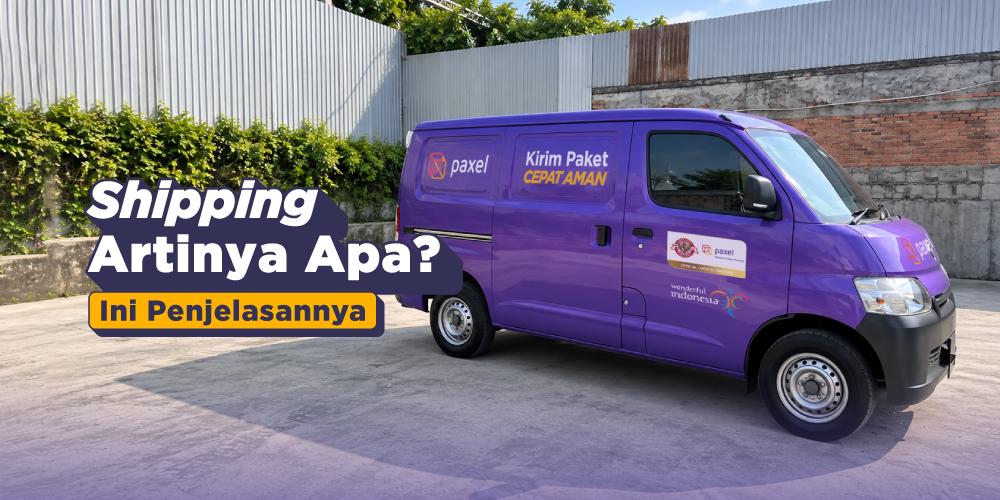
Shipping Artinya, Fungsinya, Jenis-jenisnya, dan Prosesnya
Shipping: Definition, Functions, Types, and Process
Shipping is an activity that connects businesses with customers, sellers with consumers, and senders with recipients. Although the word “ship” can mean a vessel, shipping doesn’t have to involve one. Let’s take a closer look! What Is Shipping? Shipping is the process of sending goods from one location to another. Depending on the distance between the sender and recipient, goods can be transported by land, sea, or air. When you buy something from a marketplace or ecommerce platform, the seller sends the item to you after you check out. This process is called shipping. In English, “ship” can mean a vessel. The transportation of goods, especially by sea, came to be known as “shipping.” However, as the logistics industry has modernized, the term’s meaning has broadened. Collins Dictionary gives one definition of shipping as “the process or act of sending goods to a customer.” In other words, shipping means sending goods to a buyer. Today, the term applies regardless of the mode of transport, whether or not a vessel is involved. Read More: What Is Logistics? Definition, How It Works, and Future Opportunities What Are the Functions of Shipping? Shipping connects sellers and buyers. It therefore plays an important role in the supply chain. Here are some of its functions in logistics: 1. Fast and secure delivery helps improve and maintain customer satisfaction. 2. Effective shipping can reduce costs and transit times, which in turn affects business operations. 3. Shipping enables a local business to sell its products nationally or globally. 4. Effective delivery helps ensure that businesses maintain a supply of stock. 5. A good shipping system usually provides tracking so everyone involved can see where the goods are. Read More: Nearby Package Delivery: An Easy Solution for Your Shipments What Are the Types of Shipping? In the logistics and e-commerce industries, shipping methods differ based on speed, transportation, geographic reach, and pricing: 1. Ground Shipping Ground shipping uses trucks, delivery vans, or trains. It is the most common and economical option for domestic deliveries between cities or regions connected by land routes. Although it takes longer than air shipping, ground shipping offers affordable rates and enough capacity for regular packages or large items. 2. Same-Day Shipping This service guarantees that a package will reach the buyer on the same day the order is placed, provided the transaction is completed before a specified cut-off time. Paxel’s Sameday Delivery service meets the need for fast shipping and ensures packages reach customers safely on the same day. 3. International Shipping Cross-border shipping usually involves air or sea cargo. It requires special documentation, customs clearance, and compliance with customs regulations and import taxes in the destination country. This option allows local businesses to expand into global markets. 4. Freight Shipping You can use freight shipping for heavy goods that cannot be sent through a standard retail courier service. Freight shipping is generally calculated by pallet or container and uses container trucks, cargo ships, or cargo aircraft. 5. Overnight / Next-Day Shipping Next-day shipping is an express service that guarantees goods will arrive at their destination on the following business day. You can use Paxel’s Nextday Delivery service to ensure your package arrives the day after it is sent. 6. Local Delivery Deliveries within a city or a specific local area are usually managed directly by the store using its own couriers or online motorcycle taxi services. This makes local package delivery very fast and is ideal for local stores. How Does the Shipping Process Work? For goods to travel safely and on time from a seller’s warehouse to a buyer’s address, they must go through a series of operational steps: 1. Order Processing: The store’s system receives a checkout notification and confirms payment before forwarding the order to the operations team or warehouse. 2. Packaging: Staff collect the item from storage according to the order details, check its quality, and pack it with adequate protection (a cardboard box, bubble wrap, or a security seal). 3. Documentation: A shipping label is printed and attached to the package. The label contains the destination address, contact details, barcode, and tracking number for identification. 4. Carrier Handoff: The package is handed over to the courier, either through a pick-up at the seller’s location or a drop-off at the nearest shipping outlet. 5. Transit: The package moves through a hub or sorting center toward the destination city. At this stage, the seller and buyer can use the tracking number to check its shipping status regularly. 6. Delivery: A local courier takes the package to the recipient’s address or a designated collection point. Once the package is received and receipt is confirmed, the shipping process is complete. When each stage of the shipping process runs effectively, it helps optimize costs, travel time, and the customer’s shopping experience. That’s why choosing a shipping provider matters. Choose Paxel for safe, fast shipping and the convenience of checking shipping rates and tracking packages in one app. Read More: 5 Benefits of Using Paxel’s Courier Service
24 Sep 2026
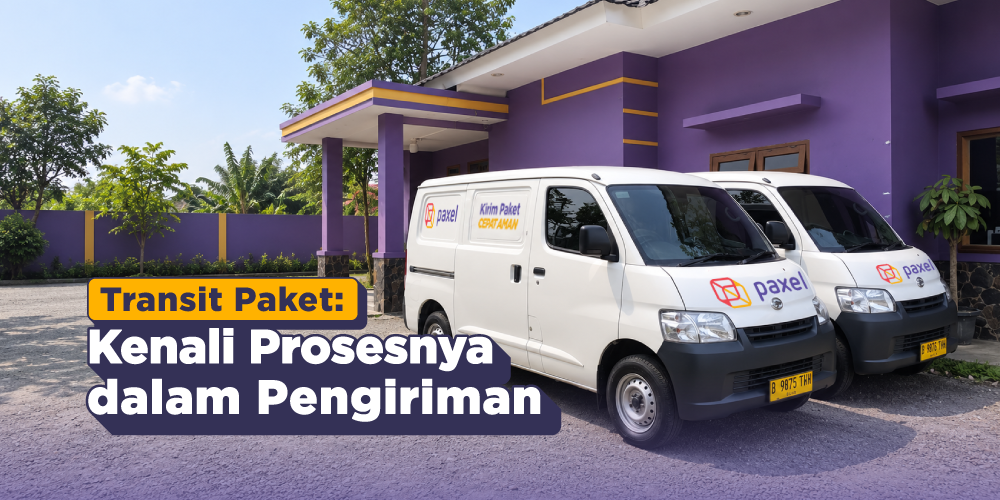
Transit Adalah: Pengertian, Alur Pengiriman, dan Durasi Waktunya
What Is Transit: Definition, Shipping Process, and Duration
When tracking a package that’s being shipped, you’ll usually see a status such as “in transit” or “out for delivery.” The term “in transit” can be confusing, especially if you’re sending a package for the first time. Let’s find out what it means! What Does “In Transit” Mean? Transit is part of the shipping process. It means your package is moving between locations along its delivery route. A package may show an “in transit” status when it’s moving from the seller to the shipping provider’s warehouse or transit hub, or when it’s traveling between cities. In other words, the package is on its way but hasn’t reached its final destination. Read More: Jastip: A Personal Shopping Service That’s Growing in Popularity Your package may show an “in transit” status when it is: • Traveling between warehouses • Traveling between cities or countries • Experiencing a delivery delay due to weather or force majeure The “in transit” status usually doesn’t show your package’s exact location. However, your package is moving through the shipping provider’s logistics network. What Does the Shipping Process Look Like? Most packages follow a similar route through a shipping provider’s network. If you use Paxel, you can track your package directly in the app. These are the stages you may see when tracking a package: 1. The sender has arranged the shipment 2. The order has been handed over to the shipping provider for processing 3. The order has arrived at a transit facility in the sender’s city 4. The order is sent to the recipient’s city by a feeder 5. The order has arrived at a transit facility in the recipient’s city 6. The courier is delivering the package 7. The package has arrived at its destination A package may remain in transit for several days, depending on its size, the shipping distance, and the delivery service selected. Read More: What Is a Courier Service? The Best Choice for Fast and Safe Delivery Why Is My Package Still In Transit and Not Out for Delivery? If your package still shows an “in transit” status, it means the package hasn’t reached the final delivery facility yet. Several factors can affect how long transit takes, including: • Delays between transit facilities caused by natural factors such as flooding, weather, or sudden natural disasters. In this situation, the shipping provider will usually notify you of the package’s estimated arrival time. • During peak seasons (such as Eid, August, and the Christmas and New Year holidays), shipping providers usually receive a surge of orders. This affects operations at sorting and transit facilities, so your package may have to wait before it can be sent to your location. • If you’re shipping a package internationally, customs processing may add to the delivery time. Your package may therefore remain in transit longer. Your package will remain “in transit” until it is confirmed to have arrived at the final sorting facility in the recipient’s city. Transit times vary depending on the shipping distance. But don’t worry—you can always track your package to make sure it’s being processed. Read More: Send Large Packages Affordably with PaxelBig Delivery How Long Does Transit Take? Transit time varies depending on the shipping distance and the provider’s policies. Normally, a package may spend up to 24 hours at each transit facility for sorting, recording, and routing. However, there’s no exact prediction because transit time depends on the service you choose and the shipping distance. If your package appears to be stuck at one transit facility for more than three days, it’s a good idea to contact the shipping provider’s customer service team. Sometimes, a tracking issue can make your package appear stationary even though it’s already out for delivery. If you want your package to arrive quickly, choose Paxel. Paxel offers sameday delivery, nextday delivery, and regular delivery (2–3 days). Besides fast delivery, you can easily track your package in the Paxel app. So, even though transit can usually take a while, Paxel can help speed things up for you!
24 Sep 2026
Paxel Open