Shipping: Definition, Functions, Types, and Process
Shipping is an activity that connects businesses with customers, sellers with consumers, and senders with recipients. Although the word “ship” can mean a vessel, shipping doesn’t have to involve one. Let’s take a closer look!
What Is Shipping?
Shipping is the process of sending goods from one location to another. Depending on the distance between the sender and recipient, goods can be transported by land, sea, or air.
When you buy something from a marketplace or ecommerce platform, the seller sends the item to you after you check out. This process is called shipping.
In English, “ship” can mean a vessel. The transportation of goods, especially by sea, came to be known as “shipping.” However, as the logistics industry has modernized, the term’s meaning has broadened.
Collins Dictionary gives one definition of shipping as “the process or act of sending goods to a customer.” In other words, shipping means sending goods to a buyer. Today, the term applies regardless of the mode of transport, whether or not a vessel is involved.
What Are the Functions of Shipping?
Shipping connects sellers and buyers. It therefore plays an important role in the supply chain. Here are some of its functions in logistics:
1. Fast and secure delivery helps improve and maintain customer satisfaction.
2. Effective shipping can reduce costs and transit times, which in turn affects business operations.
3. Shipping enables a local business to sell its products nationally or globally.
4. Effective delivery helps ensure that businesses maintain a supply of stock.
5. A good shipping system usually provides tracking so everyone involved can see where the goods are.
What Are the Types of Shipping?
In the logistics and e-commerce industries, shipping methods differ based on speed, transportation, geographic reach, and pricing:
1. Ground Shipping
Ground shipping uses trucks, delivery vans, or trains. It is the most common and economical option for domestic deliveries between cities or regions connected by land routes. Although it takes longer than air shipping, ground shipping offers affordable rates and enough capacity for regular packages or large items.
2. Same-Day Shipping
This service guarantees that a package will reach the buyer on the same day the order is placed, provided the transaction is completed before a specified cut-off time. Paxel’s Sameday Delivery service meets the need for fast shipping and ensures packages reach customers safely on the same day.
3. International Shipping
Cross-border shipping usually involves air or sea cargo. It requires special documentation, customs clearance, and compliance with customs regulations and import taxes in the destination country. This option allows local businesses to expand into global markets.
4. Freight Shipping
You can use freight shipping for heavy goods that cannot be sent through a standard retail courier service. Freight shipping is generally calculated by pallet or container and uses container trucks, cargo ships, or cargo aircraft.
5. Overnight / Next-Day Shipping
Next-day shipping is an express service that guarantees goods will arrive at their destination on the following business day. You can use Paxel’s Nextday Delivery service to ensure your package arrives the day after it is sent.
6. Local Delivery
Deliveries within a city or a specific local area are usually managed directly by the store using its own couriers or online motorcycle taxi services. This makes local package delivery very fast and is ideal for local stores.
How Does the Shipping Process Work?
For goods to travel safely and on time from a seller’s warehouse to a buyer’s address, they must go through a series of operational steps:
1. Order Processing: The store’s system receives a checkout notification and confirms payment before forwarding the order to the operations team or warehouse.
2. Packaging: Staff collect the item from storage according to the order details, check its quality, and pack it with adequate protection (a cardboard box, bubble wrap, or a security seal).
3. Documentation: A shipping label is printed and attached to the package. The label contains the destination address, contact details, barcode, and tracking number for identification.
4. Carrier Handoff: The package is handed over to the courier, either through a pick-up at the seller’s location or a drop-off at the nearest shipping outlet.
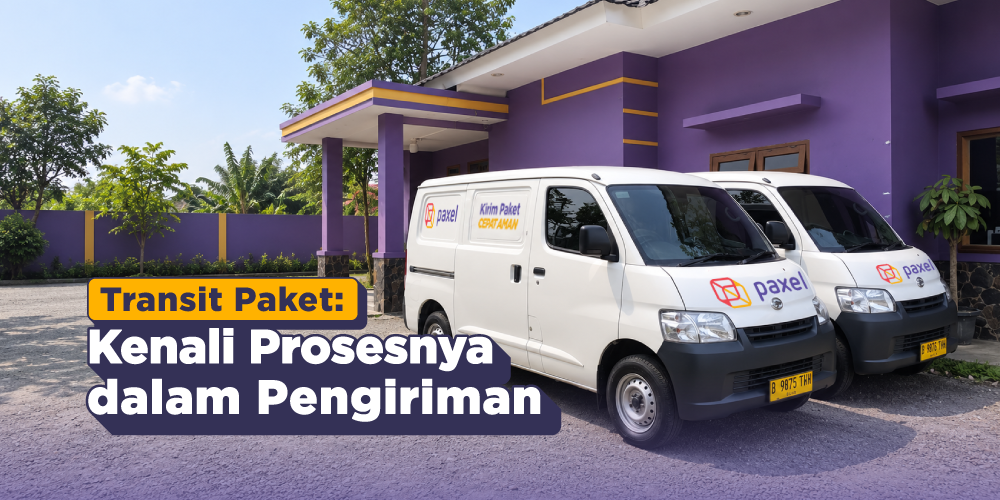
5. Transit: The package moves through a hub or sorting center toward the destination city. At this stage, the seller and buyer can use the tracking number to check its shipping status regularly.
6. Delivery: A local courier takes the package to the recipient’s address or a designated collection point. Once the package is received and receipt is confirmed, the shipping process is complete.
When each stage of the shipping process runs effectively, it helps optimize costs, travel time, and the customer’s shopping experience. That’s why choosing a shipping provider matters. Choose Paxel for safe, fast shipping and the convenience of checking shipping rates and tracking packages in one app.
- Read More: 5 Benefits of Using Paxel’s Courier Service