Home / News & Promo / Entrusted Services that are Now Increasingly Popular
Jastip adalah: Layanan Jasa Titip Belanja yang Kini Semakin Populer

Entrusted Services that are Now Increasingly Popular

What is jastip? Jastip is a personal shopping that helps you buy items from different regions. Learn how it works, the costs, and its benefits here!

Tren belanja online terus berkembang dan menghadirkan berbagai layanan baru, salah satunya jastip. Jastip adalah singkatan dari Jasa Titip, yaitu layanan untuk membantu membeli dan mengirimkan barang dari luar kota, luar negeri, atau lokasi tertentu yang sulit dijangkau.

Apa Itu Jastip?


Sumber Gambar: Freepik.com

Jastip adalah layanan yang memungkinkan seseorang untuk menitipkan barang kepada pihak lain yang akan membelinya. Biasanya, orang yang menyediakan layanan ini adalah mereka yang sedang bepergian ke tempat yang memiliki barang unik, makanan atau yang sedang tren dan sulit ditemukan di tempat asal. Jadi, pengguna layanan Jastip dapat memesan barang atau makanan yang mereka inginkan, dan pihak yang memberikan jasa akan membelikan barang tersebut serta mengirimkannya kepada si pemesan.

Contoh Jastip: Misalnya, seseorang di Jakarta ingin membeli oleh-oleh khas Bali yang jarang ditemukan di tempat lain, atau seseorang yang ingin membeli barang-barang unik dan makanan dari luar negeri. Mereka dapat memanfaatkan layanan Jastip dengan mencari orang yang sedang berada di Bali atau luar negeri untuk membeli dan mengirimkan barang atau makanan tersebut.

Cara Kerja Jasa Titip

Layanan Jastip beroperasi dalam beberapa langkah berikut:

  • Mencari Penyedia Jastip: Pengguna pertama-tama mencari penyedia layanan Jastip, yang bisa ditemukan melalui media sosial, grup online, atau aplikasi khusus. Penyedia jasa ini biasanya memiliki reputasi atau review yang baik dari pelanggan sebelumnya.
  • Memilih Barang yang Akan Dititipkan: Setelah menemukan penyedia Jastip, pengguna akan memilih barang yang ingin mereka beli. Misalnya, produk tertentu dari luar negeri atau oleh-oleh khas daerah tertentu.
  • Negosiasi Harga dan Biaya Layanan: Setelah barang dan penyedia Jastip ditemukan, pengguna akan melakukan negosiasi mengenai harga barang dan biaya tambahan untuk layanan tersebut. Biaya tambahan ini biasanya meliputi biaya pengiriman, biaya jasa, dan mungkin pajak atau bea cukai jika barang datang dari luar negeri.

Proses Pembelian dan Pengiriman: Setelah semuanya disepakati, penyedia jasa akan membeli barang dan mengirimkannya kepada pengguna. Pengguna kemudian menerima barang tersebut sesuai dengan kesepakatan.

Cara Menghitung Biaya Jastip

Biaya Jastip biasanya terdiri dari beberapa komponen. Berikut adalah cara hitung biaya Jastip secara umum:

  • Harga Barang: Ini adalah harga barang yang diminta oleh pengguna. Harga ini dapat bervariasi tergantung tempat asal barang, ketersediaan barang, atau tempat tujuan pengiriman.
  • Biaya Jasa (Service Fee): Biasanya, penyedia layanan Jastip mengenakan biaya tambahan untuk jasa mereka. Biaya ini bisa berupa persentase dari harga barang, atau tarif tetap per item. Sebagai contoh, biaya jasa bisa berkisar antara 10% hingga 30% dari harga barang.
  • Ongkir atau Biaya Pengiriman: Setelah barang dibeli, barang tersebut perlu dikirimkan ke alamat pengguna. Biaya pengiriman ini tergantung pada jarak pengiriman, berat barang, dan pilihan pengiriman yang dipilih (misalnya, reguler, express, atau internasional).
  • Biaya Lain-Lain: Dalam beberapa kasus, ada biaya tambahan lainnya seperti biaya bea cukai, pajak impor, atau biaya khusus lainnya yang terkait dengan pembelian barang dari luar negeri.

Contoh Perhitungan Bisnis Jastip

Misalnya, seseorang ingin membeli sepatu olahraga dari luar negeri dengan harga $100 (sekitar Rp1.500.000). Biaya Jastip yang dikenakan adalah 20% dari harga barang, dan biaya pengiriman sebesar Rp300.000. Maka, berikut adalah perhitungannya:

  • Harga barang: Rp1.500.000
  • Biaya Jasa titip (20%): Rp300.000
  • Biaya Pengiriman: Rp300.000

Total Biaya Jastip: Rp1.500.000 + Rp300.000 + Rp300.000 = Rp2.100.000

Jadi, total biaya yang harus dibayar oleh pengguna untuk sepatu tersebut adalah Rp2.100.000.

Keuntungan Menggunakan Jasa

Memiliki pasar yang menjanjikan, berikut ini keuntungan menggunakan jasa titip atau jastip: 

  • Mudah dan Praktis: Pengguna tidak perlu repot mencari barang secara langsung atau bepergian ke tempat tertentu. Semua bisa dipesan dan dikirimkan dengan mudah.
  • Akses ke Barang Unik atau Langka: Jastip memberikan kesempatan bagi pengguna untuk mendapatkan barang yang sulit ditemukan di tempat mereka.
  • Lebih Hemat Waktu dan Tenaga: Pengguna tidak perlu menghabiskan waktu untuk mencari barang atau berurusan dengan proses impor atau pengiriman internasional yang rumit.

Tantangan Menggunakan Jastip

Namun, meskipun layanan Jastip memiliki banyak keuntungan, ada beberapa tantangan yang perlu diperhatikan, antara lain:

  • Risiko Barang Rusak atau Kehilangan: Proses pengiriman barang melibatkan risiko, seperti barang rusak, hilang, atau tertunda.
  • Biaya Lebih Mahal: Menggunakan jasa titip bisa lebih mahal dibandingkan membeli barang secara langsung di tempat yang sama karena biaya jasa dan pengiriman yang harus ditanggung.
  • Perbedaan Kualitas atau Barang Palsu: Kadang-kadang, ada risiko bahwa barang yang diterima tidak sesuai dengan yang diinginkan atau bahkan merupakan barang palsu.

Jastip adalah layanan yang sangat membantu bagi mereka yang ingin membeli barang dari luar kota atau luar negeri tanpa harus melakukan perjalanan jauh. Dengan biaya jasa dan pengiriman yang perlu diperhitungkan, Jasa titip tetap menjadi pilihan praktis bagi banyak orang yang ingin memperoleh barang unik atau langka. 

Meskipun ada beberapa tantangan, keuntungan yang ditawarkan layanan ini membuatnya semakin populer dan banyak dicari. Kamu juga bisa mengirimkan barang atau makanan Jastip melalui Paxel. Paxel memiliki layanan Sameday, Nextday, PaxelBig untuk mempermudah para Jastipers untuk melalkukan pengiriman.

Related Article:
9 Rekomendasi Jajanan Orang Have Buat Self-Reward
9 Snack Recommendations for Treating Yourself
There are many ways to reward yourself for getting through life and working hard. Recently, trying “rich-people treats” has become a self-reward trend. Even though they cost hundreds of thousands or even millions of rupiah, you should try these recommendations at least once in your life. 1. Matcha Drinks from Hatoya Indonesia Love authentic matcha? Try a glass of matcha at Hatoya in Lippo Mall Puri. They use top-quality matcha powder sourced directly from Japanese plantations. That’s why a drink comes with a rather impressive price tag of Rp360,000. The drink is made with chewy mochi and a scoop of smooth matcha ice cream. It has an earthy, rich, and more balanced flavor because it isn’t overwhelmed by the sweetness of added sugar. 2. Salmon Roll from Filadelfia Sushi Filadelfia Sushi first opened in Bali before winning over food lovers in the capital. It became famous for its generously sized sushi, which highlights the freshness of the fish. If you’re eating here, try the Philly Salmon Roll. It features thick slices of salmon filled with creamy, melting cream cheese. Exclusively packaged in an aesthetic wooden box, this trendy dish ranges from Rp249,000 to around Rp2.1 million for a party set. 3. Chocolate Bar from Läderach Chocolatier This renowned Swiss chocolatier offers frisch schoggi, or fresh chocolate slabs that are cut by hand to order. There are plenty of varieties to choose from, including chocolate with crunchy roasted nuts, dried fruit, and Dubai-style kunafa. Here, you can enjoy chocolate priced from Rp340,000 to around Rp3 million. The Läderach store in Senayan City also serves a cup of Hot Chocolate for Rp150,000. Read More: What Sells Well Right Now? 7 Popular Products in Indonesia 4. Strawberry Dubai Cup from Don Bakeshop Don Bakeshop’s Rp109,000 Strawberry Dubai Cup is a favorite among people who enjoy luxurious treats. It’s made with fresh Hyoshii strawberries picked directly from farms in Bandung. The fresh fruit, covered in melted Callebaut chocolate and topped with kunafa chewy cookie, might leave you wanting more. Besides this bestselling strawberry treat, you can buy an individual Dubai Chewy Cookie for Rp65,000 at Lippo Mall Puri or Summarecon Mall Serpong. 5. Coffee from Around the World at Bacha Coffee Have you really experienced the luxurious life if you haven’t enjoyed a cup of coffee at Bacha Coffee? This upscale café, located in Plaza Senayan and Plaza Indonesia, has a collection of hundreds of pure Arabica coffee varieties from around the world. Each cup is served in a gold-colored pot with smooth chantilly cream and a selection of buttery croissants. Menu prices start at Rp90,000 and reach around Rp1.9 million for rare coffee beans. 6. Italian Bread from Bread Culture Bread Culture turns traditional Italian flatbread into a premium treat at Ashta District 8 and Permata Buana. Its 24x24 cm Focaccia, priced at Rp175,000, often sells out through pre-orders. This soft, airy bread with a crisp crust is baked with plenty of olive oil, fragrant rosemary, cherry tomatoes, and black olives for a savory, aromatic flavor. Read More: Kerak Telor, an Authentic Jakarta Snack Full of Flavor 7. Sourdough Bread from Daring Deli Located in Dharmawangsa, Daring Deli serves artisanal deli dishes made with naturally leavened sourdough bread. You can enjoy crisp, crunchy bread with a range of meat fillings that won’t leave you feeling overly full. The sandwiches cost around Rp100,000 per serving. They make a luxurious lunch option that’s gentler on your digestive system. 8. Breads and Pastries from Pand’Or Pand’Or is a legendary culinary destination in South Jakarta. The restaurant serves flaky croissants, sourdough bread, and buttery pastries that keep people coming back. You can buy bread for prices ranging from Rp24,000 to around Rp500,000. The place remains a favorite breakfast spot among the elite. Since it opens at 7 a.m., Pand’Or is a fitting place to have breakfast with people who enjoy the finer things in life. 9. Gelato from Venchi Gelato is a trendy treat in Jakarta. One of the best places to try it is Venchi, which was established in Turin, Italy, in 1878. Venchi serves smooth gelato with a natural sweetness that isn’t overpowering. Every serving is made without preservatives and features Piedmont hazelnuts and pure cocoa. Want to try it? Set aside around Rp100,000 to Rp1.1 million if you want to take home some chocolate. People in Jakarta aren’t the only ones who can enjoy these luxurious treats! You can also send them to family living in other cities with Paxel’s safe and fast delivery. Check the shipping cost directly in the app before sending these treats to your family’s home. Send your treats with Paxel! Read More: Starting an Angkringan Business: Concept, Menu, and Cost Calculation
24 Sep 2026
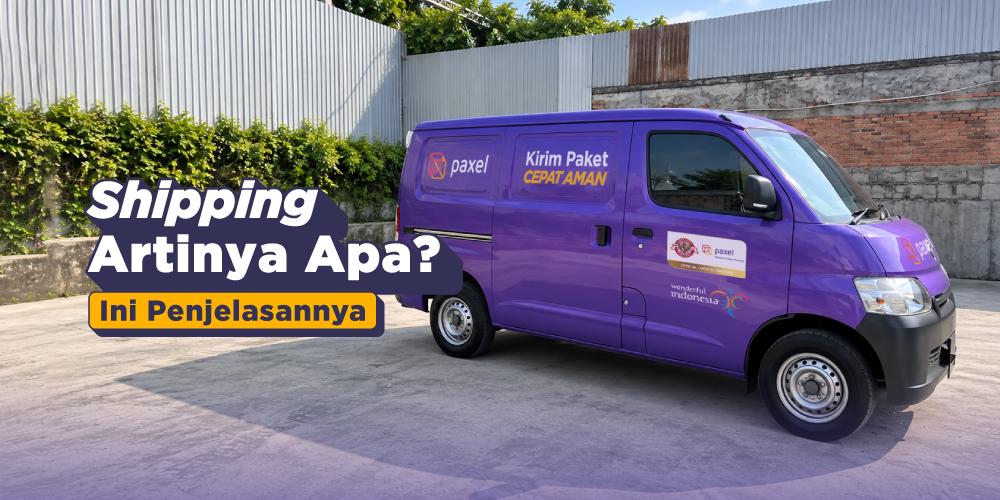
Shipping Artinya, Fungsinya, Jenis-jenisnya, dan Prosesnya
Shipping: Definition, Functions, Types, and Process
Shipping is an activity that connects businesses with customers, sellers with consumers, and senders with recipients. Although the word “ship” can mean a vessel, shipping doesn’t have to involve one. Let’s take a closer look! What Is Shipping? Shipping is the process of sending goods from one location to another. Depending on the distance between the sender and recipient, goods can be transported by land, sea, or air. When you buy something from a marketplace or ecommerce platform, the seller sends the item to you after you check out. This process is called shipping. In English, “ship” can mean a vessel. The transportation of goods, especially by sea, came to be known as “shipping.” However, as the logistics industry has modernized, the term’s meaning has broadened. Collins Dictionary gives one definition of shipping as “the process or act of sending goods to a customer.” In other words, shipping means sending goods to a buyer. Today, the term applies regardless of the mode of transport, whether or not a vessel is involved. Read More: What Is Logistics? Definition, How It Works, and Future Opportunities What Are the Functions of Shipping? Shipping connects sellers and buyers. It therefore plays an important role in the supply chain. Here are some of its functions in logistics: 1. Fast and secure delivery helps improve and maintain customer satisfaction. 2. Effective shipping can reduce costs and transit times, which in turn affects business operations. 3. Shipping enables a local business to sell its products nationally or globally. 4. Effective delivery helps ensure that businesses maintain a supply of stock. 5. A good shipping system usually provides tracking so everyone involved can see where the goods are. Read More: Nearby Package Delivery: An Easy Solution for Your Shipments What Are the Types of Shipping? In the logistics and e-commerce industries, shipping methods differ based on speed, transportation, geographic reach, and pricing: 1. Ground Shipping Ground shipping uses trucks, delivery vans, or trains. It is the most common and economical option for domestic deliveries between cities or regions connected by land routes. Although it takes longer than air shipping, ground shipping offers affordable rates and enough capacity for regular packages or large items. 2. Same-Day Shipping This service guarantees that a package will reach the buyer on the same day the order is placed, provided the transaction is completed before a specified cut-off time. Paxel’s Sameday Delivery service meets the need for fast shipping and ensures packages reach customers safely on the same day. 3. International Shipping Cross-border shipping usually involves air or sea cargo. It requires special documentation, customs clearance, and compliance with customs regulations and import taxes in the destination country. This option allows local businesses to expand into global markets. 4. Freight Shipping You can use freight shipping for heavy goods that cannot be sent through a standard retail courier service. Freight shipping is generally calculated by pallet or container and uses container trucks, cargo ships, or cargo aircraft. 5. Overnight / Next-Day Shipping Next-day shipping is an express service that guarantees goods will arrive at their destination on the following business day. You can use Paxel’s Nextday Delivery service to ensure your package arrives the day after it is sent. 6. Local Delivery Deliveries within a city or a specific local area are usually managed directly by the store using its own couriers or online motorcycle taxi services. This makes local package delivery very fast and is ideal for local stores. How Does the Shipping Process Work? For goods to travel safely and on time from a seller’s warehouse to a buyer’s address, they must go through a series of operational steps: 1. Order Processing: The store’s system receives a checkout notification and confirms payment before forwarding the order to the operations team or warehouse. 2. Packaging: Staff collect the item from storage according to the order details, check its quality, and pack it with adequate protection (a cardboard box, bubble wrap, or a security seal). 3. Documentation: A shipping label is printed and attached to the package. The label contains the destination address, contact details, barcode, and tracking number for identification. 4. Carrier Handoff: The package is handed over to the courier, either through a pick-up at the seller’s location or a drop-off at the nearest shipping outlet. 5. Transit: The package moves through a hub or sorting center toward the destination city. At this stage, the seller and buyer can use the tracking number to check its shipping status regularly. 6. Delivery: A local courier takes the package to the recipient’s address or a designated collection point. Once the package is received and receipt is confirmed, the shipping process is complete. When each stage of the shipping process runs effectively, it helps optimize costs, travel time, and the customer’s shopping experience. That’s why choosing a shipping provider matters. Choose Paxel for safe, fast shipping and the convenience of checking shipping rates and tracking packages in one app. Read More: 5 Benefits of Using Paxel’s Courier Service
24 Sep 2026
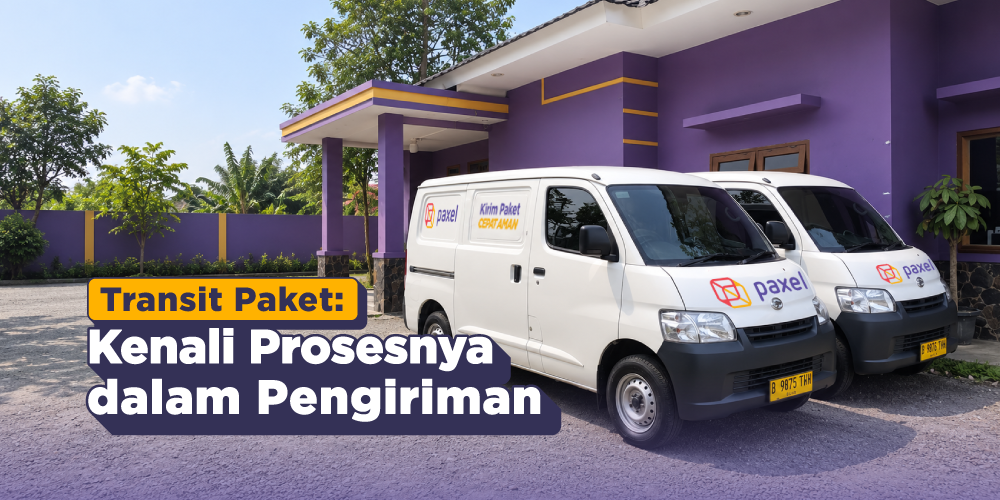
Transit Adalah: Pengertian, Alur Pengiriman, dan Durasi Waktunya
What Is Transit: Definition, Shipping Process, and Duration
When tracking a package that’s being shipped, you’ll usually see a status such as “in transit” or “out for delivery.” The term “in transit” can be confusing, especially if you’re sending a package for the first time. Let’s find out what it means! What Does “In Transit” Mean? Transit is part of the shipping process. It means your package is moving between locations along its delivery route. A package may show an “in transit” status when it’s moving from the seller to the shipping provider’s warehouse or transit hub, or when it’s traveling between cities. In other words, the package is on its way but hasn’t reached its final destination. Read More: Jastip: A Personal Shopping Service That’s Growing in Popularity Your package may show an “in transit” status when it is: • Traveling between warehouses • Traveling between cities or countries • Experiencing a delivery delay due to weather or force majeure The “in transit” status usually doesn’t show your package’s exact location. However, your package is moving through the shipping provider’s logistics network. What Does the Shipping Process Look Like? Most packages follow a similar route through a shipping provider’s network. If you use Paxel, you can track your package directly in the app. These are the stages you may see when tracking a package: 1. The sender has arranged the shipment 2. The order has been handed over to the shipping provider for processing 3. The order has arrived at a transit facility in the sender’s city 4. The order is sent to the recipient’s city by a feeder 5. The order has arrived at a transit facility in the recipient’s city 6. The courier is delivering the package 7. The package has arrived at its destination A package may remain in transit for several days, depending on its size, the shipping distance, and the delivery service selected. Read More: What Is a Courier Service? The Best Choice for Fast and Safe Delivery Why Is My Package Still In Transit and Not Out for Delivery? If your package still shows an “in transit” status, it means the package hasn’t reached the final delivery facility yet. Several factors can affect how long transit takes, including: • Delays between transit facilities caused by natural factors such as flooding, weather, or sudden natural disasters. In this situation, the shipping provider will usually notify you of the package’s estimated arrival time. • During peak seasons (such as Eid, August, and the Christmas and New Year holidays), shipping providers usually receive a surge of orders. This affects operations at sorting and transit facilities, so your package may have to wait before it can be sent to your location. • If you’re shipping a package internationally, customs processing may add to the delivery time. Your package may therefore remain in transit longer. Your package will remain “in transit” until it is confirmed to have arrived at the final sorting facility in the recipient’s city. Transit times vary depending on the shipping distance. But don’t worry—you can always track your package to make sure it’s being processed. Read More: Send Large Packages Affordably with PaxelBig Delivery How Long Does Transit Take? Transit time varies depending on the shipping distance and the provider’s policies. Normally, a package may spend up to 24 hours at each transit facility for sorting, recording, and routing. However, there’s no exact prediction because transit time depends on the service you choose and the shipping distance. If your package appears to be stuck at one transit facility for more than three days, it’s a good idea to contact the shipping provider’s customer service team. Sometimes, a tracking issue can make your package appear stationary even though it’s already out for delivery. If you want your package to arrive quickly, choose Paxel. Paxel offers sameday delivery, nextday delivery, and regular delivery (2–3 days). Besides fast delivery, you can easily track your package in the Paxel app. So, even though transit can usually take a while, Paxel can help speed things up for you!
24 Sep 2026
Paxel Open