Want to start a dropshipping business without big capital? Understand what dropshipping is, how it works, AI dropshipping, and risks people rarely talk about.
Want to start an online business without big capital, without holding stock, and with just a phone and an internet connection? If so, a dropshipping business could be one option worth considering. This business model is growing more popular because it lets anyone sell without having to store products themselves. You just focus on finding customers, while the supplier prepares and ships the goods to the buyer.
But make no mistake — the majority of beginner dropshippers fail in the first 3 months. Not because the business idea is bad, but because they don't understand how it works, pick the wrong supplier, or pick the wrong courier to help them ship their products.
Before you start, understand how dropshipping works, its types, the benefits, the risks, and how AI technology is starting to help dropshippers grow their businesses.
What Is Dropshipping?
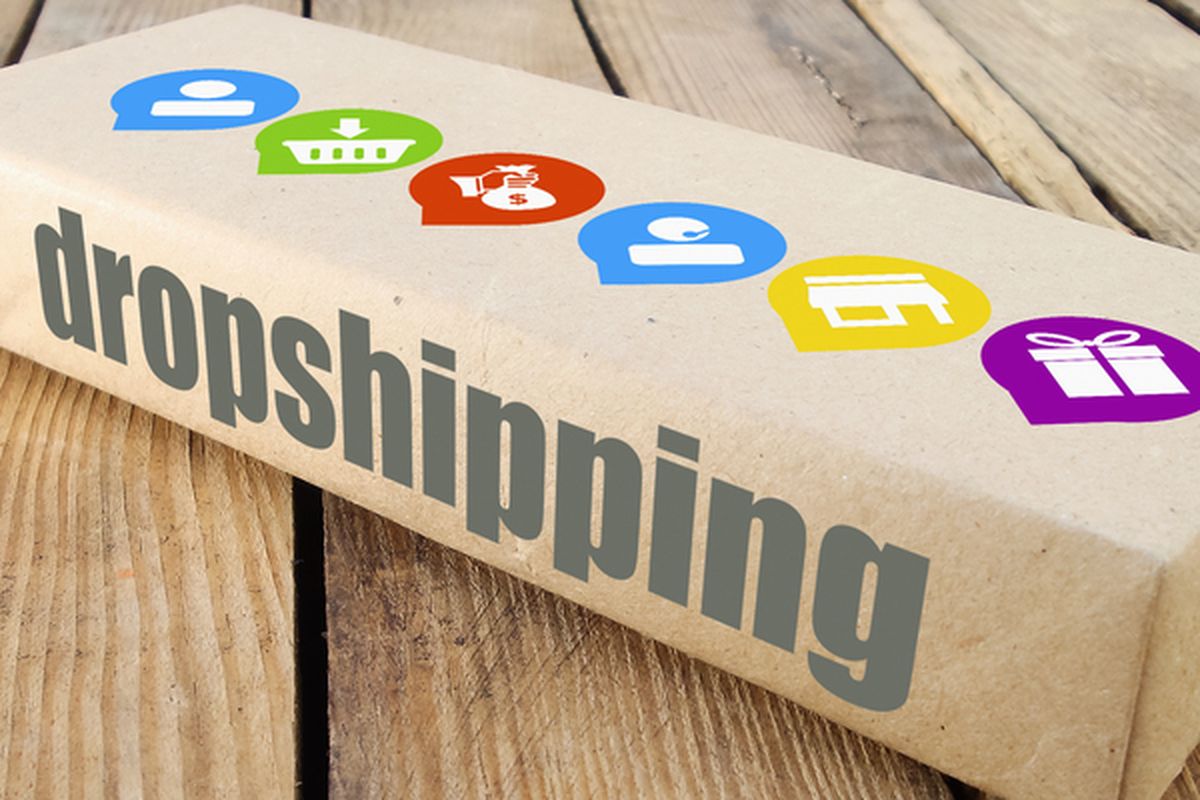
Dropshipping is a selling model without stock. When an order comes in, the seller forwards that order to the supplier. After that, the supplier packs and ships the product directly to the buyer under the seller's store name.
The price difference = your profit.
Many people still confuse dropshipping with reselling, even though the two are different. The difference from a reseller: a reseller buys stock first, while a dropshipper does not. Because they don't physically hold the product, a dropshipper has to be more careful in choosing suppliers and shipping services.
How a Dropshipping Business Works
1. Find a trustworthy supplier
The supplier is the main foundation of a dropshipping business. Before selling their products, do a test order to your own address first. Pay attention to product quality, shipping speed, packaging, and how responsive the supplier is when contacted.
2. Market the product
Upload products to a marketplace, social media, or your own online store. Use attractive photos, clear descriptions, and competitive prices to make it easier to draw in potential buyers.
3. Receive orders
When an order comes in, the buyer pays you as the store owner. After that, you forward the order along with the recipient's details to the supplier.
4. The supplier ships the goods
Make sure the sender name on the shipping label is your store, not the supplier's name. Though it looks simple, this step is often a source of problems for beginner dropshippers.
Step 4 is the deal-breaker. Imagine a buyer opening a package and seeing the sender name "Bandung Bag Shop", when they bought from "@sarahbags.id". Something like this can create confusion and reduce customers' trust in your store.
That's why it's important to choose a courier that supports a dropshipping feature. With this feature, the sender name can be customized to your store name, and the supplier's phone number won't be visible to the buyer. So the shopping experience stays professional and the supplier's identity stays protected.
Types of Dropshipping in Indonesia
There are currently several dropshipping models widely used by online business operators.
1. Marketplace dropshipping
This model uses marketplace platforms. The advantage is that buyer traffic is already there. However, price competition is usually quite fierce, so profit margins tend to be thinner.
2. Social commerce dropshipping
Dropshipping through TikTok Shop, Instagram, or other social media platforms. This model has higher profit-margin potential because the seller can build their own brand and audience. However, it requires the ability to create engaging content.
3. Cross-border dropshipping
In this dropshipping model, products are shipped directly from overseas. The profit can be quite large, but the longer shipping time is often a challenge of its own.
4. Hyperlocal dropshipping
Dropshipping focused on a specific area with fast delivery within a single city. This model is increasingly in demand because customers can receive their goods the same day. For products like food, gifts, documents, or other urgent needs, delivery speed is often the key factor driving repeat orders.
The most profitable option is usually hyperlocal, because here you win on speed, something a cross-border dropshipper can't match. Your only "capital" is a courier that can deliver the same day.
AI Dropshipping: A New Way to Manage a Business More Efficiently
Advances in technology now make dropshipping easier to run. Various AI-based tools can help dropshippers save time and boost productivity.
1. Viral product research
AI can help analyze market trends and find products that are trending. One example is AI that scrapes TikTok Shop, which can help analyze market trends and find products that are gaining popularity. By using data from such platforms, AI can recommend products that are going viral and have the potential to sell well in the market.
2. Copywriting generator
From headlines and social media captions to marketplace descriptions, all can be created faster using AI in a matter of seconds.
3. Edit and Enhance Product Photos
Ordinary-looking supplier photos can be improved in quality so they're more appealing to potential buyers.
4. Customer auto-reply
This AI-based chat assistant can help answer frequently asked customer questions automatically, such as product availability, delivery estimates and order status, and how to track a package. With AI's help, dropshippers can focus more on business strategy rather than doing repetitive tasks every day.
Dropshipping Business Risks You Need to Know
Although it looks easy, a dropshipping business still has risks that must be understood from the start. Three main risks that can sink your dropshipping business:
1. Inconsistent suppliers
A supplier that was initially responsive may experience a decline in service quality or shipping delays. Unfortunately, customers will still blame your store, not the supplier. Buyers don't care about internal matters, all they know is that they bought from you.
2. Sudden stockouts
This situation often happens when a product you've marketed turns out to be unavailable once an order comes in. As a result, you have to contact the buyer, issue a refund, and risk receiving negative reviews.
3. All complaints land on you, not the supplier
Package late? Wrong size? Damaged in transit? Every chat lands in your store's DMs. You're the one who has to stay patient, coordinate with the supplier, and keep smiling in the chat. That's why dropshipping isn't a passive business. Managing customer service remains an important part of daily operations.
These three risks aren't a reason not to start. They're a reason to start with the right strategy: like having 2–3 backup suppliers per product, choosing a courier with transparent tracking, and setting buyer expectations from the start (in the product description: when it ships, estimated arrival, etc.). Most dropshipping problems are actually communication problems that weren't managed.
Tips for Successfully Starting a Dropshipping Business
To make your dropshipping business better prepared to grow, here are some tips you can apply:
1. Focus on a Specific Niche
Rather than selling every product category, choose a more specific niche. For example, instead of just selling "fashion", focus on a category like "minimalist-patterned hijabs" or "women's work bags".
2. Start with a Small Budget
Test one product first before adding more product variations. This approach helps reduce risk and makes it easier to evaluate sales performance.
3. Prepare Backup Suppliers
Don't rely on just one supplier. Having several alternative suppliers can help maintain stock availability when issues arise.
4. Choose a Courier That Supports the Dropshipping System
Shipping is an important part of the customer experience. Make sure the shipping service you use has:
- Pickup from the supplier's location
- Custom sender-name feature
5. Build Your Own Branding
Use a logo, visual identity, thank-you cards, or simple stickers so customers remember your store more easily than the supplier working behind the scenes.
How Paxel Helps Your Dropshipping Business
For dropshippers who want to manage shipping more conveniently, Paxel provides several features designed to support dropshipping operations.
- Custom sender name matching your store name
- Direct pickup from the supplier's location
- Real-time tracking you can share with the buyer
- Same Day service for deliveries within and between cities. With a system like this, the shipping process can run more professionally without having to hold stock or manage your own warehouse.
Now, Your First Step
A dropshipping business doesn't always require big capital to start. Begin with the smallest steps: pick one product, one trusted supplier, one marketing channel, and a shipping service that can deliver your packages quickly and safely.
The Paxel app already has a ready-to-use feature built for dropshippers. Just download and register, set your pickup preferences from the supplier, and you'll have courier operations on par with a big seller without having to rent a warehouse.
Related Article:
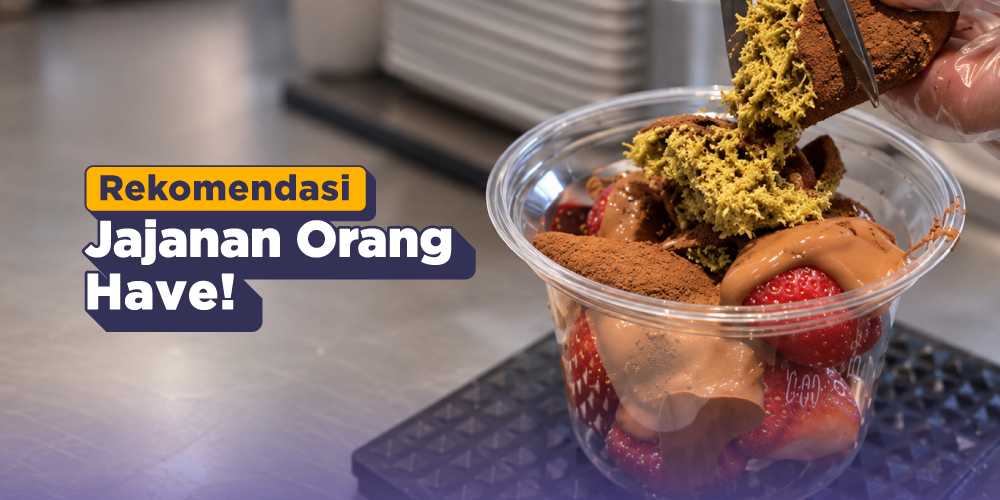
9 Snack Recommendations for Treating Yourself
There are many ways to reward yourself for getting through life and working hard. Recently, trying “rich-people treats” has become a self-reward trend. Even though they cost hundreds of thousands or even millions of rupiah, you should try these recommendations at least once in your life.
1. Matcha Drinks from Hatoya Indonesia
Love authentic matcha? Try a glass of matcha at Hatoya in Lippo Mall Puri. They use top-quality matcha powder sourced directly from Japanese plantations. That’s why a drink comes with a rather impressive price tag of Rp360,000.
The drink is made with chewy mochi and a scoop of smooth matcha ice cream. It has an earthy, rich, and more balanced flavor because it isn’t overwhelmed by the sweetness of added sugar.
2. Salmon Roll from Filadelfia Sushi
Filadelfia Sushi first opened in Bali before winning over food lovers in the capital. It became famous for its generously sized sushi, which highlights the freshness of the fish.
If you’re eating here, try the Philly Salmon Roll. It features thick slices of salmon filled with creamy, melting cream cheese. Exclusively packaged in an aesthetic wooden box, this trendy dish ranges from Rp249,000 to around Rp2.1 million for a party set.
3. Chocolate Bar from Läderach Chocolatier
This renowned Swiss chocolatier offers frisch schoggi, or fresh chocolate slabs that are cut by hand to order. There are plenty of varieties to choose from, including chocolate with crunchy roasted nuts, dried fruit, and Dubai-style kunafa.
Here, you can enjoy chocolate priced from Rp340,000 to around Rp3 million. The Läderach store in Senayan City also serves a cup of Hot Chocolate for Rp150,000.
Read More: What Sells Well Right Now? 7 Popular Products in Indonesia
4. Strawberry Dubai Cup from Don Bakeshop
Don Bakeshop’s Rp109,000 Strawberry Dubai Cup is a favorite among people who enjoy luxurious treats. It’s made with fresh Hyoshii strawberries picked directly from farms in Bandung.
The fresh fruit, covered in melted Callebaut chocolate and topped with kunafa chewy cookie, might leave you wanting more. Besides this bestselling strawberry treat, you can buy an individual Dubai Chewy Cookie for Rp65,000 at Lippo Mall Puri or Summarecon Mall Serpong.
5. Coffee from Around the World at Bacha Coffee
Have you really experienced the luxurious life if you haven’t enjoyed a cup of coffee at Bacha Coffee? This upscale café, located in Plaza Senayan and Plaza Indonesia, has a collection of hundreds of pure Arabica coffee varieties from around the world.
Each cup is served in a gold-colored pot with smooth chantilly cream and a selection of buttery croissants. Menu prices start at Rp90,000 and reach around Rp1.9 million for rare coffee beans.
6. Italian Bread from Bread Culture
Bread Culture turns traditional Italian flatbread into a premium treat at Ashta District 8 and Permata Buana. Its 24x24 cm Focaccia, priced at Rp175,000, often sells out through pre-orders.
This soft, airy bread with a crisp crust is baked with plenty of olive oil, fragrant rosemary, cherry tomatoes, and black olives for a savory, aromatic flavor.
Read More: Kerak Telor, an Authentic Jakarta Snack Full of Flavor
7. Sourdough Bread from Daring Deli
Located in Dharmawangsa, Daring Deli serves artisanal deli dishes made with naturally leavened sourdough bread. You can enjoy crisp, crunchy bread with a range of meat fillings that won’t leave you feeling overly full.
The sandwiches cost around Rp100,000 per serving. They make a luxurious lunch option that’s gentler on your digestive system.
8. Breads and Pastries from Pand’Or
Pand’Or is a legendary culinary destination in South Jakarta. The restaurant serves flaky croissants, sourdough bread, and buttery pastries that keep people coming back.
You can buy bread for prices ranging from Rp24,000 to around Rp500,000. The place remains a favorite breakfast spot among the elite. Since it opens at 7 a.m., Pand’Or is a fitting place to have breakfast with people who enjoy the finer things in life.
9. Gelato from Venchi
Gelato is a trendy treat in Jakarta. One of the best places to try it is Venchi, which was established in Turin, Italy, in 1878.
Venchi serves smooth gelato with a natural sweetness that isn’t overpowering. Every serving is made without preservatives and features Piedmont hazelnuts and pure cocoa. Want to try it? Set aside around Rp100,000 to Rp1.1 million if you want to take home some chocolate.
People in Jakarta aren’t the only ones who can enjoy these luxurious treats! You can also send them to family living in other cities with Paxel’s safe and fast delivery. Check the shipping cost directly in the app before sending these treats to your family’s home. Send your treats with Paxel!
Read More: Starting an Angkringan Business: Concept, Menu, and Cost Calculation
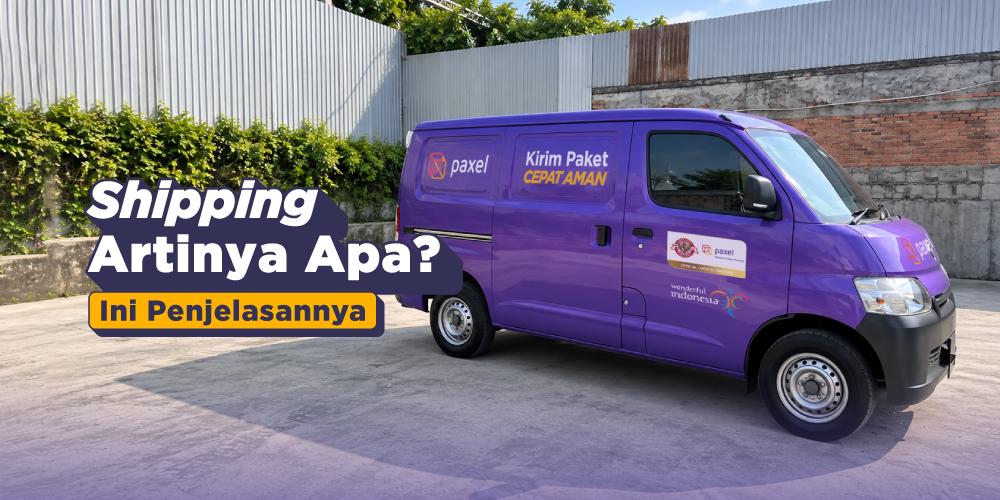
Shipping: Definition, Functions, Types, and Process
Shipping is an activity that connects businesses with customers, sellers with consumers, and senders with recipients. Although the word “ship” can mean a vessel, shipping doesn’t have to involve one. Let’s take a closer look!
What Is Shipping?
Shipping is the process of sending goods from one location to another. Depending on the distance between the sender and recipient, goods can be transported by land, sea, or air.
When you buy something from a marketplace or ecommerce platform, the seller sends the item to you after you check out. This process is called shipping.
In English, “ship” can mean a vessel. The transportation of goods, especially by sea, came to be known as “shipping.” However, as the logistics industry has modernized, the term’s meaning has broadened.
Collins Dictionary gives one definition of shipping as “the process or act of sending goods to a customer.” In other words, shipping means sending goods to a buyer. Today, the term applies regardless of the mode of transport, whether or not a vessel is involved.
Read More: What Is Logistics? Definition, How It Works, and Future Opportunities
What Are the Functions of Shipping?
Shipping connects sellers and buyers. It therefore plays an important role in the supply chain. Here are some of its functions in logistics:
1. Fast and secure delivery helps improve and maintain customer satisfaction.
2. Effective shipping can reduce costs and transit times, which in turn affects business operations.
3. Shipping enables a local business to sell its products nationally or globally.
4. Effective delivery helps ensure that businesses maintain a supply of stock.
5. A good shipping system usually provides tracking so everyone involved can see where the goods are.
Read More: Nearby Package Delivery: An Easy Solution for Your Shipments
What Are the Types of Shipping?
In the logistics and e-commerce industries, shipping methods differ based on speed, transportation, geographic reach, and pricing:
1. Ground Shipping
Ground shipping uses trucks, delivery vans, or trains. It is the most common and economical option for domestic deliveries between cities or regions connected by land routes. Although it takes longer than air shipping, ground shipping offers affordable rates and enough capacity for regular packages or large items.
2. Same-Day Shipping
This service guarantees that a package will reach the buyer on the same day the order is placed, provided the transaction is completed before a specified cut-off time. Paxel’s Sameday Delivery service meets the need for fast shipping and ensures packages reach customers safely on the same day.
3. International Shipping
Cross-border shipping usually involves air or sea cargo. It requires special documentation, customs clearance, and compliance with customs regulations and import taxes in the destination country. This option allows local businesses to expand into global markets.
4. Freight Shipping
You can use freight shipping for heavy goods that cannot be sent through a standard retail courier service. Freight shipping is generally calculated by pallet or container and uses container trucks, cargo ships, or cargo aircraft.
5. Overnight / Next-Day Shipping
Next-day shipping is an express service that guarantees goods will arrive at their destination on the following business day. You can use Paxel’s Nextday Delivery service to ensure your package arrives the day after it is sent.
6. Local Delivery
Deliveries within a city or a specific local area are usually managed directly by the store using its own couriers or online motorcycle taxi services. This makes local package delivery very fast and is ideal for local stores.
How Does the Shipping Process Work?
For goods to travel safely and on time from a seller’s warehouse to a buyer’s address, they must go through a series of operational steps:
1. Order Processing: The store’s system receives a checkout notification and confirms payment before forwarding the order to the operations team or warehouse.
2. Packaging: Staff collect the item from storage according to the order details, check its quality, and pack it with adequate protection (a cardboard box, bubble wrap, or a security seal).
3. Documentation: A shipping label is printed and attached to the package. The label contains the destination address, contact details, barcode, and tracking number for identification.
4. Carrier Handoff: The package is handed over to the courier, either through a pick-up at the seller’s location or a drop-off at the nearest shipping outlet.
5. Transit: The package moves through a hub or sorting center toward the destination city. At this stage, the seller and buyer can use the tracking number to check its shipping status regularly.
6. Delivery: A local courier takes the package to the recipient’s address or a designated collection point. Once the package is received and receipt is confirmed, the shipping process is complete.
When each stage of the shipping process runs effectively, it helps optimize costs, travel time, and the customer’s shopping experience. That’s why choosing a shipping provider matters. Choose Paxel for safe, fast shipping and the convenience of checking shipping rates and tracking packages in one app.
Read More: 5 Benefits of Using Paxel’s Courier Service
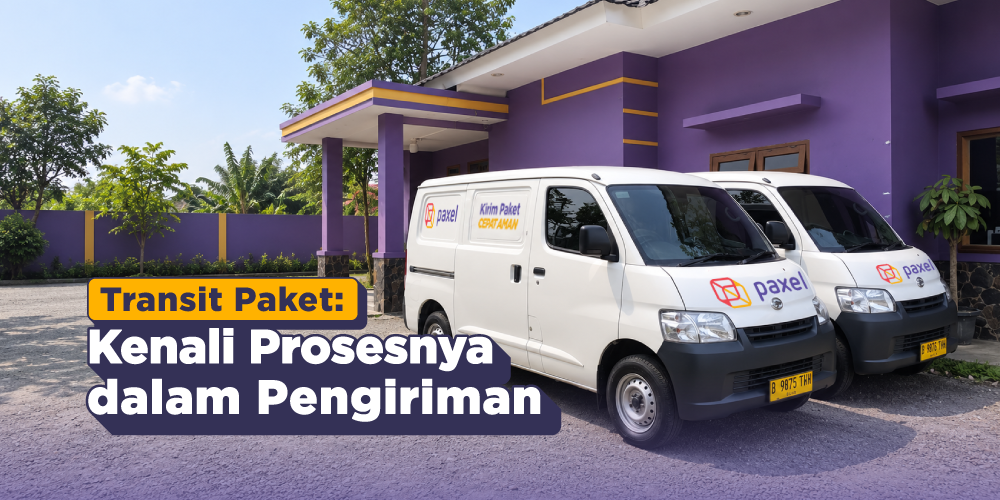
What Is Transit: Definition, Shipping Process, and Duration
When tracking a package that’s being shipped, you’ll usually see a status such as “in transit” or “out for delivery.” The term “in transit” can be confusing, especially if you’re sending a package for the first time. Let’s find out what it means!
What Does “In Transit” Mean?
Transit is part of the shipping process. It means your package is moving between locations along its delivery route.
A package may show an “in transit” status when it’s moving from the seller to the shipping provider’s warehouse or transit hub, or when it’s traveling between cities. In other words, the package is on its way but hasn’t reached its final destination.
Read More: Jastip: A Personal Shopping Service That’s Growing in Popularity
Your package may show an “in transit” status when it is:
• Traveling between warehouses
• Traveling between cities or countries
• Experiencing a delivery delay due to weather or force majeure
The “in transit” status usually doesn’t show your package’s exact location. However, your package is moving through the shipping provider’s logistics network.
What Does the Shipping Process Look Like?
Most packages follow a similar route through a shipping provider’s network. If you use Paxel, you can track your package directly in the app.
These are the stages you may see when tracking a package:
1. The sender has arranged the shipment
2. The order has been handed over to the shipping provider for processing
3. The order has arrived at a transit facility in the sender’s city
4. The order is sent to the recipient’s city by a feeder
5. The order has arrived at a transit facility in the recipient’s city
6. The courier is delivering the package
7. The package has arrived at its destination
A package may remain in transit for several days, depending on its size, the shipping distance, and the delivery service selected.
Read More: What Is a Courier Service? The Best Choice for Fast and Safe Delivery
Why Is My Package Still In Transit and Not Out for Delivery?
If your package still shows an “in transit” status, it means the package hasn’t reached the final delivery facility yet.
Several factors can affect how long transit takes, including:
• Delays between transit facilities caused by natural factors such as flooding, weather, or sudden natural disasters. In this situation, the shipping provider will usually notify you of the package’s estimated arrival time.
• During peak seasons (such as Eid, August, and the Christmas and New Year holidays), shipping providers usually receive a surge of orders. This affects operations at sorting and transit facilities, so your package may have to wait before it can be sent to your location.
• If you’re shipping a package internationally, customs processing may add to the delivery time. Your package may therefore remain in transit longer.
Your package will remain “in transit” until it is confirmed to have arrived at the final sorting facility in the recipient’s city. Transit times vary depending on the shipping distance. But don’t worry—you can always track your package to make sure it’s being processed.
Read More: Send Large Packages Affordably with PaxelBig Delivery
How Long Does Transit Take?
Transit time varies depending on the shipping distance and the provider’s policies. Normally, a package may spend up to 24 hours at each transit facility for sorting, recording, and routing. However, there’s no exact prediction because transit time depends on the service you choose and the shipping distance.
If your package appears to be stuck at one transit facility for more than three days, it’s a good idea to contact the shipping provider’s customer service team. Sometimes, a tracking issue can make your package appear stationary even though it’s already out for delivery.
If you want your package to arrive quickly, choose Paxel. Paxel offers sameday delivery, nextday delivery, and regular delivery (2–3 days). Besides fast delivery, you can easily track your package in the Paxel app. So, even though transit can usually take a while, Paxel can help speed things up for you!